Drooling might seem like something you’d expect from babies, or perhaps your dog eyeing your lunch, but if you’re experiencing excessive salivation yourself, it’s time to dive deep into the ancient world of Chinese Medicine—specifically here in Canberra, where balancing qi, jing, and humoral concepts might just save you from embarrassment (and soggy pillows). Buckle up, because this is where things get both informative and a little hilarious.

Make it stand out
Canberra Acupuncture talks drooling and dental health
Saliva: More Than Just Spit in Chinese Medicine
First things first, let’s address the flood in your mouth. From a Chinese medicine perspective, excessive salivation could be a sign of an energetic imbalance—and no, not the kind you get from too much caffeine. We’re talking about your stomach and spleen. According to Chinese medical theory, these two are in charge of transforming food and fluids, and when they’re not working together like a well-oiled machine, your body might over-produce saliva, or as I like to call it, “drool city.”
So, why all the drool? If your spleen is feeling overworked, sluggish, or just taking a nap on the job, it can’t properly transform fluids. And here’s where things get interesting: jing, one of the vital essences, is linked to these fluids. If your stomach is producing too much of this fluid and your spleen is too busy binge-watching Netflix to deal with it, boom—you’ve got excessive saliva!
Humors or Organs: Why We Need Both in Chinese Medicine
Now, here’s where it gets fun. In the Tang Dynasty, everyone was obsessed with balancing the humors—think qi, blood, and jingjia (no, not a trendy new yoga pose). Later on, the Song Dynasty decided to throw a curveball and shift the focus to the Zangfu organ system. So, if you’re producing too much saliva, it could be because your stomach is holding onto more jing fluid than it knows what to do with. Kind of like that one friend who hoards Tupperware containers but never returns them.
In Canberra, Chinese medicine practitioners often work with both models to restore balance. Is it an issue with your humors, or does your spleen need a gentle nudge to get back on track? Either way, excessive salivation could be your body’s way of waving a big, drooly flag that says, “Help me out here!”
Sticky Foods: Sabotage in the Form of Gummy Bears
Now, let’s get real for a second. You might be thinking, “But why is this happening to me now?” Well, let’s take a look at your diet. Chinese medicine in Canberra isn’t just about acupuncture and herbs—it’s also about understanding how foods affect your body. If you’re indulging in sticky, sugary snacks like caramel or, heaven forbid, gummy bears, you’re basically inviting your body to produce more saliva to deal with the aftermath. It’s like giving your mouth a “slippery when wet” sign.
This is especially relevant if you’re consuming foods that create biofilm—a fancy word for the slimy coating on your teeth. As bacteria thrive on that biofilm, your body produces more saliva to help flush it out. Think of it as your body’s natural cleaning crew, though you might not appreciate it when you’re mid-conversation and suddenly drooling.
Chinese Medicine Canberra: How We Balance the Flood
So, what’s the solution? In Canberra, Chinese medicine offers a unique approach to addressing these imbalances. If your stomach fire is burning a little too hot, or your yin is deficient, practitioners may focus on cooling you down, toning the spleen, and balancing your fluids—like sending your over-enthusiastic saliva production on a much-needed vacation. They might recommend herbs to strengthen your spleen or suggest dietary adjustments to keep you from turning into a human water fountain.
Stop Salivating, Start Smiling
Here’s the takeaway: drooling isn’t just something to laugh about—it’s your body’s way of saying something’s up, and Chinese medicine in Canberra can help you get to the root cause. Whether it’s a deficiency in fluids, an overheated stomach, or your spleen playing hooky, there’s always a solution rooted in thousands of years of wisdom. Plus, it’s a lot more fun to blame your spleen than to blame that second pack of gummy bears.
Ready to take back control of your saliva and get your Chinese medicine questions answered in Canberra? Come see us before you drool your way through another meeting!
Ehlers-Danlos Syndrome (EDS) is often misunderstood as simply being “double-jointed” or unusually flexible. In reality, EDS is a complex connective tissue disorder that affects joint stability, proprioception, pain processing, fatigue, autonomic function, and movement control throughout the entire body.
For therapists, this creates a unique clinical challenge. Many traditional rehabilitation approaches that work well for the general population—including aggressive stretching, heavy manual therapy, or isolated strengthening—can sometimes worsen symptoms in people with EDS. What appears to be weakness may actually be instability. What appears to be tightness may be a protective strategy. And what appears to be a local joint problem may reflect a much larger whole-body compensation pattern. Understanding EDS requires a shift away from simply chasing pain or increasing mobility and towards improving control, body awareness, load management, nervous system regulation, and long-term resilience.
In this article, we explore the current evidence surrounding EDS, including proprioception, pain, strength training, autonomic dysfunction, fascia, breathing mechanics, and the role of whole-body assessment. We also examine where emerging concepts such as biotensegrity and fascial therapy may fit within modern clinical practice and discuss the key principles every therapist should understand when working with hypermobile patients.
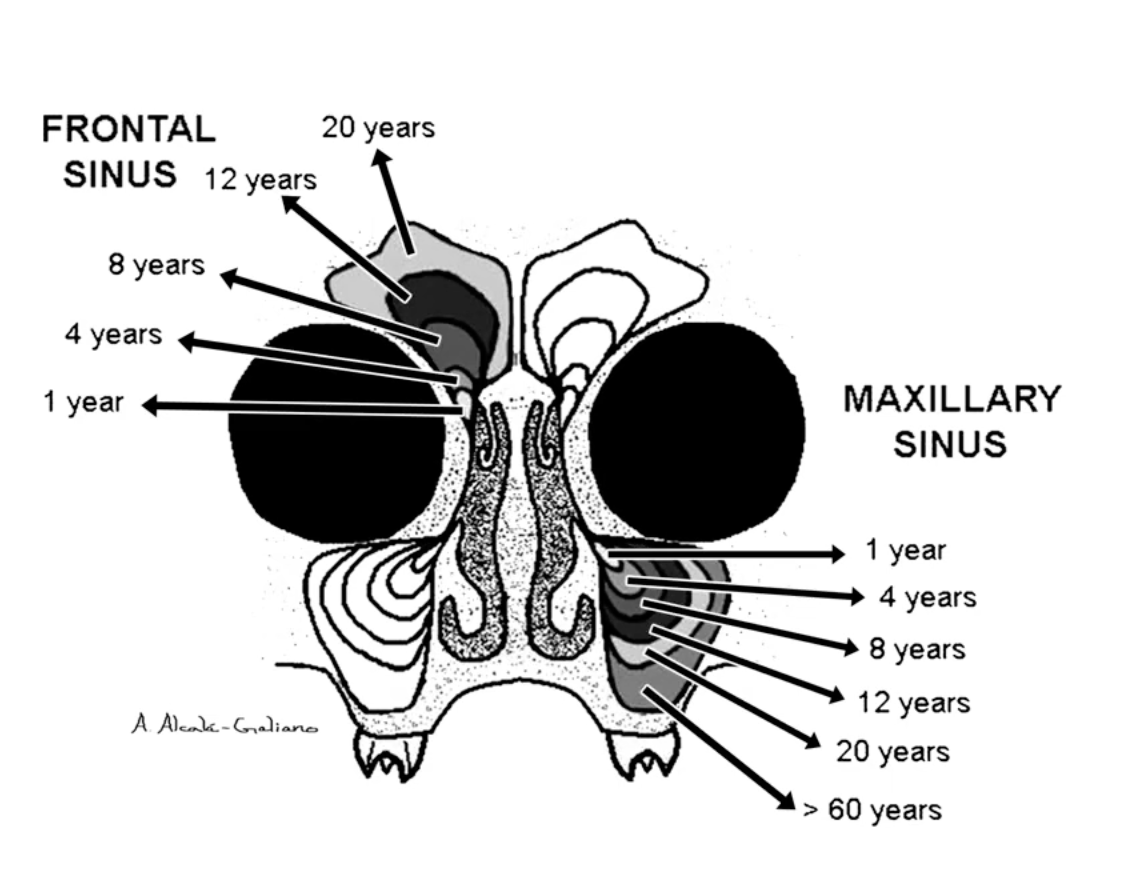
Most people think cavities are caused by sugar alone. But the way you breathe may be playing a bigger role than you realise. Nasal breathing supports saliva production, healthy sinus development and proper facial growth, while chronic mouth breathing has been linked to dental crowding, dry mouth and an increased risk of tooth decay. Discover why your nose may be one of the most important tools for protecting your teeth and shaping your face.
Most people assume breathing exercises and breathing retraining are the same thing.
They’re not.
In fact, this misunderstanding may be one of the biggest reasons people continue to struggle with poor sleep, jaw tension, anxiety, headaches, fatigue, and breathing-related problems despite regularly practising breathing techniques.
Think about it.
The average person takes around 20,000 breaths every day.
A five-minute breathing exercise might influence a few dozen of them.
What about the other 19,900?
This is where breathing retraining becomes different. Rather than focusing on a specific exercise, breathing retraining aims to change your everyday breathing patterns—while you’re working, walking, talking, sleeping, exercising, and dealing with stress.
In this article, we’ll explore why breathing exercises alone often fail to create lasting change, the difference between breathwork and breathing retraining, and how improving your default breathing habits may have a greater impact on your health than any breathing technique.
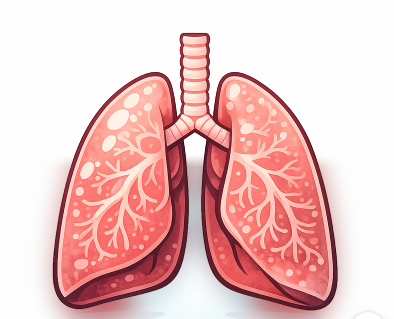
Most of us never think about breathing until something goes wrong.
A blocked nose. Poor sleep. Anxiety. Headaches. Jaw tension. Fatigue.
The common assumption is that we need more oxygen. But what if the problem isn’t a lack of oxygen at all?
Modern research suggests that many people breathe far more than their bodies actually require. In doing so, they may be disrupting the delicate balance between oxygen and carbon dioxide that helps regulate blood flow, nervous system function, sleep quality and even oxygen delivery to the tissues.
In this article, we’ll explore why bigger breaths aren’t always better, why carbon dioxide may be one of the most misunderstood gases in human physiology, and how your breathing habits could be influencing everything from jaw tension and posture to energy levels and recovery.
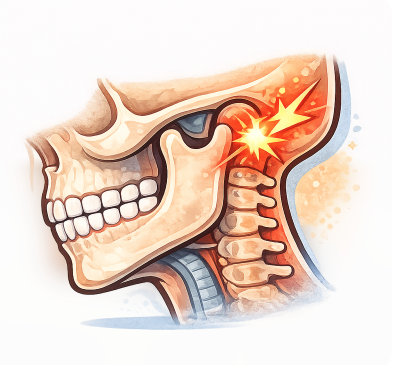
When most people develop jaw pain, clicking, clenching, or teeth grinding, attention immediately turns to the jaw joint itself.
Makes sense.
After all, that’s where the symptoms are.
But what if the jaw isn’t actually the starting point?
What if it’s simply the place where a much larger story is being expressed?
Emerging research suggests that many cases of TMJ dysfunction may involve far more than joint mechanics alone. Breathing patterns, sleep quality, nervous system regulation, tongue posture, neck tension, stress, and even the way the brain processes sensory information may all play important roles.
In other words, your jaw might not be malfunctioning because it is broken.
It might be working overtime because other systems are struggling.
In this article, we’ll explore the fascinating relationship between the jaw, neck, airway and nervous system—and why treating the jaw alone may not always provide lasting relief.
Most people think stress lives in the mind. Others think it lives in the shoulders. But what if one of the body’s favourite places to store stress is your jaw?
Emerging research suggests the jaw is connected to emotional processing, pain perception, breathing, posture and even activity within the brain’s limbic system. Learn how jaw tension, chronic stress and inflammation may be influencing headaches, neck pain, fatigue and persistent pain—and why treating the whole person matters more than chasing symptoms.

At a kids’ sporting match over the weekend, I watched a gentleman walking in thongs and immediately noticed something I see constantly in clinic: his body barely changed shape from heel strike through to mid-stance. His ankle stayed stiff, his knee barely adapted, and his pelvis remained locked in one position. Over time, this type of walking pattern can reduce force absorption, overload the lumbar spine, affect circulation, compress nerves, and contribute to chronic pain. Here’s why walking is really a force-management system — and what happens when the body loses its ability to adapt.
Most people think protein speeds up every type of tissue repair equally. New research says otherwise. Muscle rebuilds relatively quickly, but tendons, cartilage, ligaments, and bone operate on dramatically slower timelines — sometimes taking years to fully remodel. Here’s what that means for recovery, rehab, ageing, and why your tendon couldn’t care less about your two-week protein challenge.
Think posture is about sitting up straight? Think again. Posture isn’t a position—it’s a reflection of what your body can feel, move, and control. In this article, we break down what posture really is, why your nervous system is calling the shots, and how movement—not stiffness—is the key to changing it.
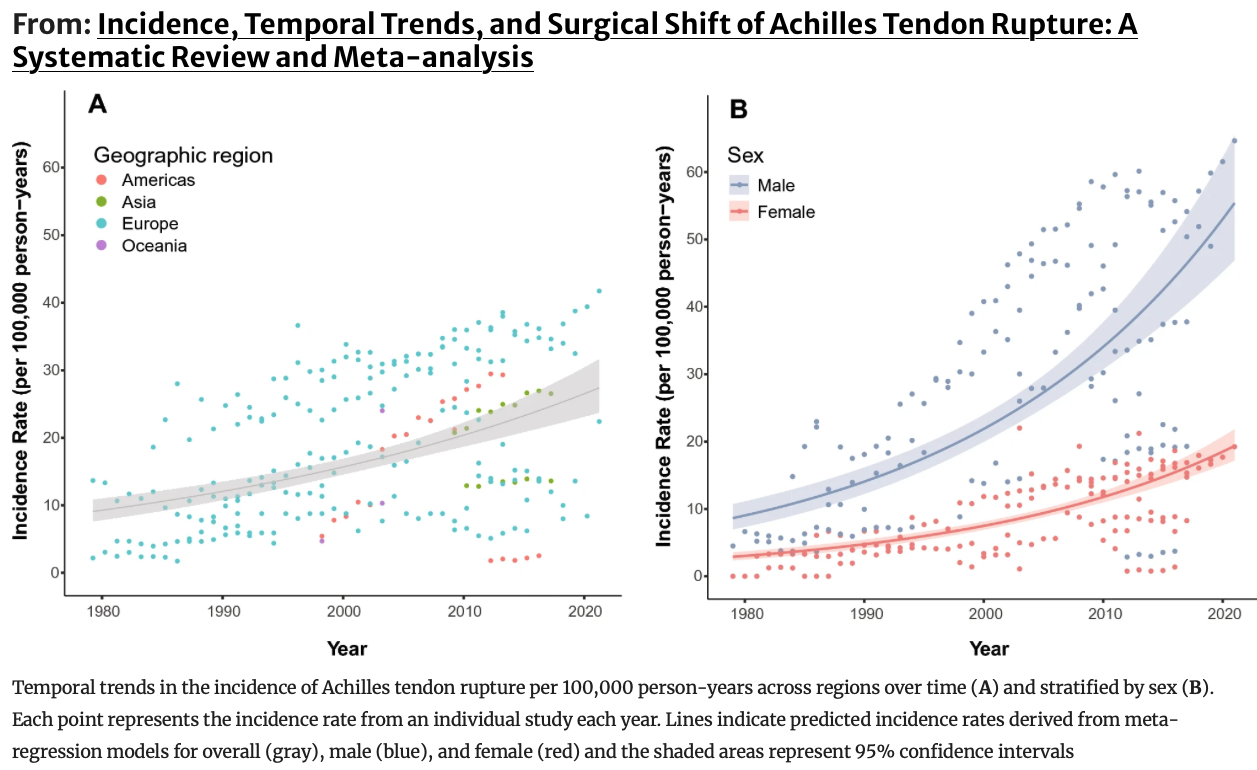
Achilles tendon ruptures are increasing worldwide. Learn why it’s happening, what the latest research shows, and how to improve tendon strength, foot mechanics, and prevent injury.
Struggling with bone loss or worried about osteoporosis? Learn how strength training, impact exercise, and balance work can improve bone health. Insights from Canberra physios at Next Gen.
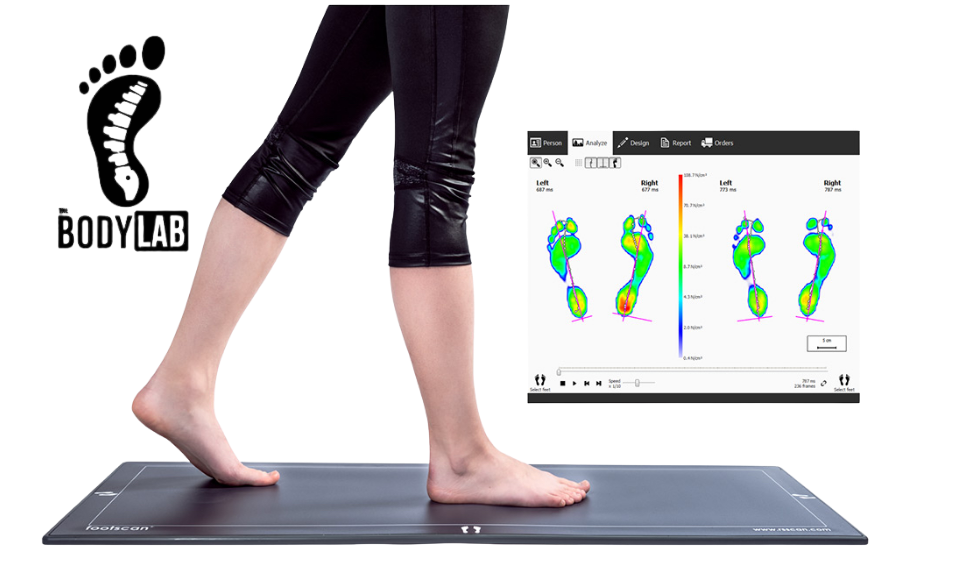
Discover how foot pressure plate analysis in Canberra reveals how you walk, move, and load your body. Advanced gait assessment at The Body Lab.

A 2025 study suggests stimulating lymphatic vessels in the neck can double brain waste clearance—but before you start massaging your face non-stop, let’s break down what the research actually shows. From sleep and movement to fluid dynamics, this guide explains how your body really supports brain health—and where therapy fits in.

Cluster headaches are severe, recurring, and often resistant to medication. This guide explores how acupuncture and cranial therapy in Canberra can help reduce pain, frequency, and improve long-term outcomes.
Poor sleep affects hormones, metabolism, pain, and recovery. Evidence-based insights with Australian sleep data and metabolic perspective.

Persistent pain is not always caused by tight muscles or stiff joints. In many cases the nervous system and skin play a key role. Understanding this connection can change how chronic pain is treated.
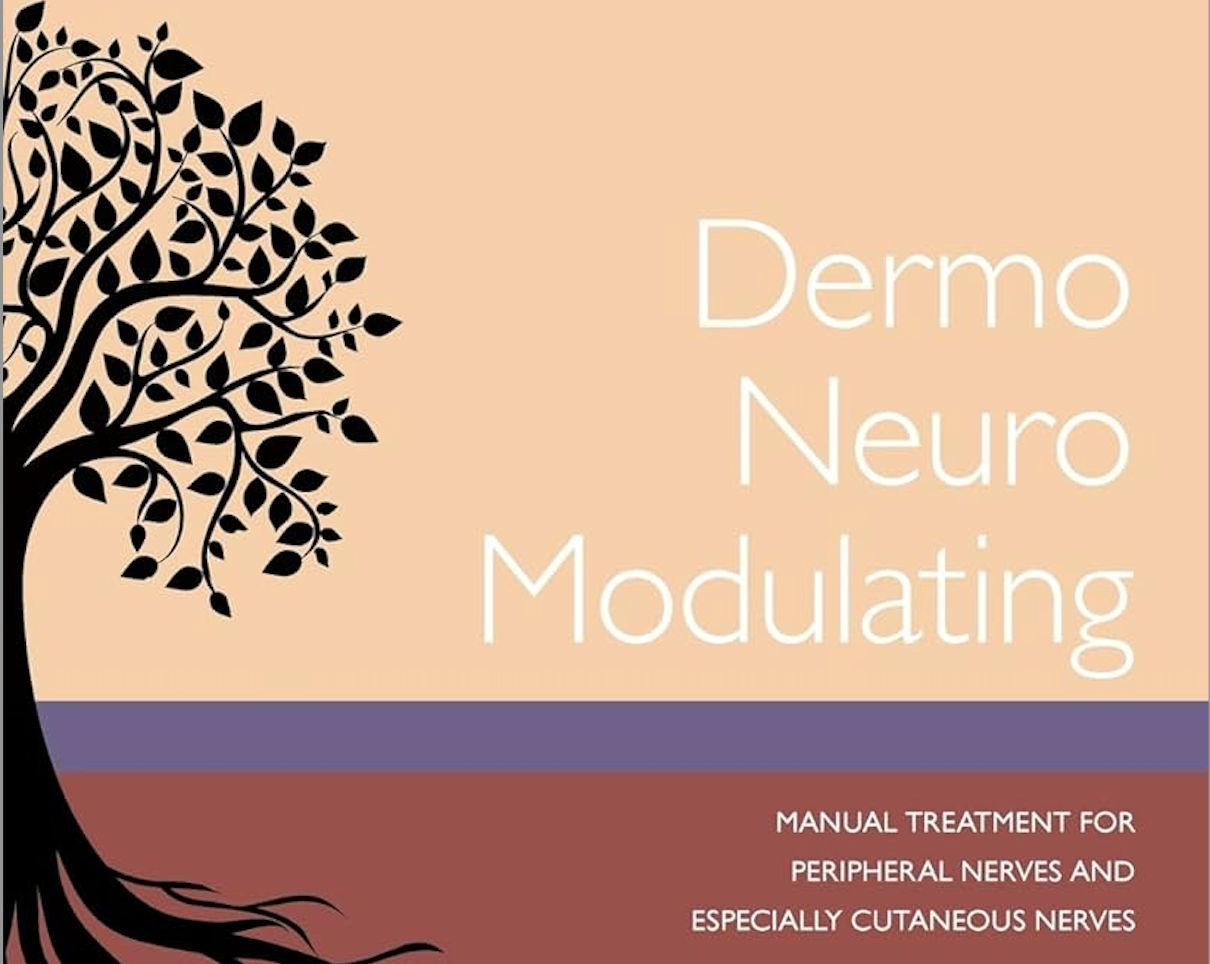
Dermo-Neuro Modulating is a gentle manual therapy technique that works through the skin to calm irritated nerves and reduce pain. Developed by physiotherapist Diane Jacobs, it offers a modern, neuroscience-informed approach to treating persistent pain conditions.

Ankle sprains are often treated as ligament injuries, but the mechanics of the foot tell a much bigger story. One structure that frequently goes unnoticed is the Flexor Hallucis Longus (FHL) — the tendon that connects the calf to the big toe and plays a critical role in propulsion, arch stability, and walking efficiency. Because this tendon runs through a narrow tunnel behind the ankle joint, it can be compressed or irritated during common inversion ankle sprains. Understanding how the FHL contributes to foot mechanics may help explain persistent ankle stiffness, reduced push-off power, and ongoing pain after injury. Exploring the role of the big toe in ankle recovery offers a more complete view of foot biomechanics and movement rehabilitation.
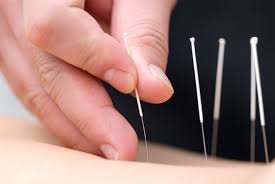
If you’ve ever searched “acupuncture for pain Canberra”, chances are something in your body has decided it’s had enough. Maybe it’s your heel barking every morning, a shoulder that refuses to behave, or a lower back that stiffens the moment you sit down too long.
Acupuncture can be remarkably effective for reducing pain. But here’s the honest truth most clinics won’t say out loud:
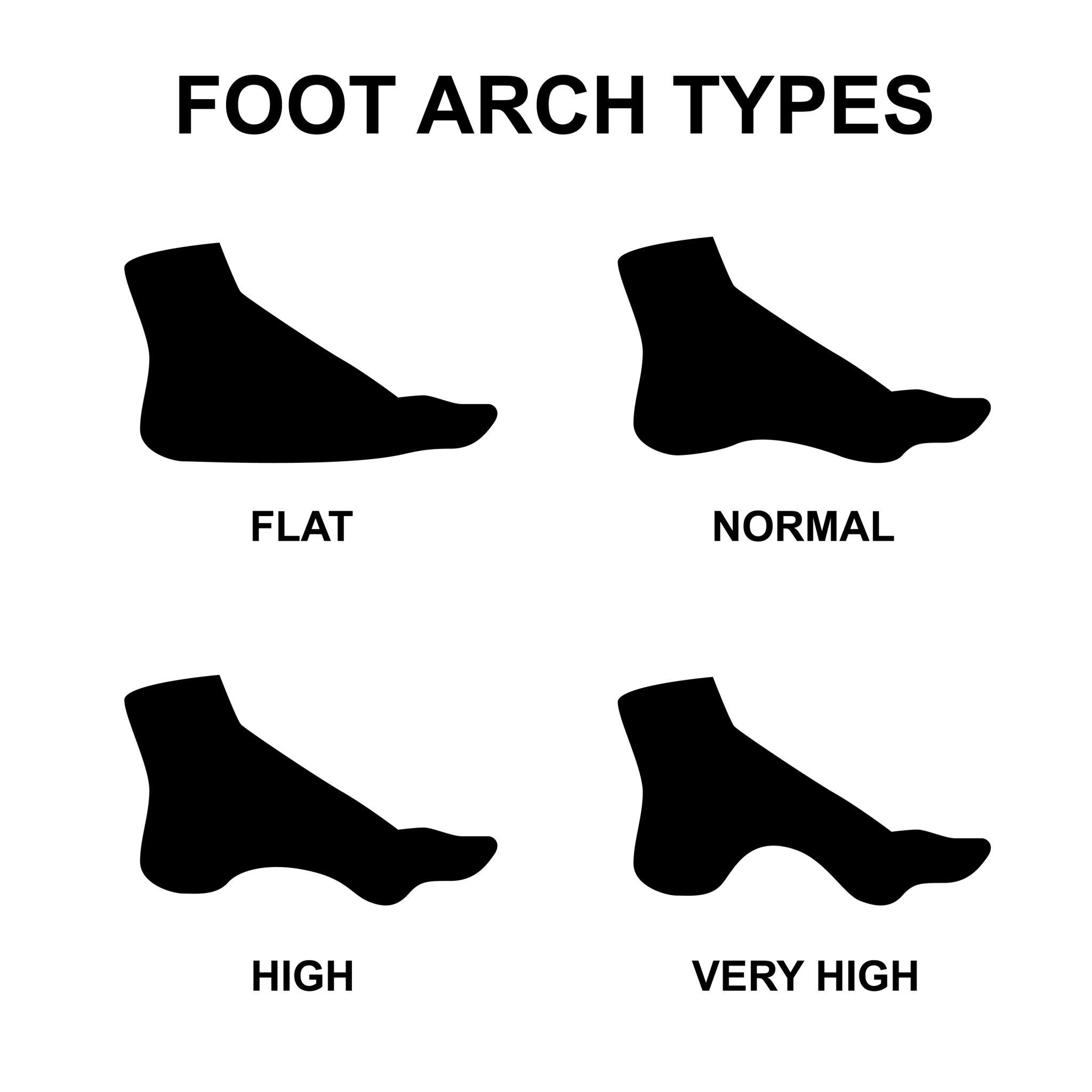
Foot shape plays an important role in how the foot absorbs force and distributes pressure during walking. From flatter pes planus feet to the higher-arched pes cavus foot type, these structural differences influence how load travels through the heel and arch.
Understanding how these loading patterns affect the tissues around the heel—including the plantar fascia and Baxter’s nerve—may help explain why some people develop persistent heel pain while others do not.
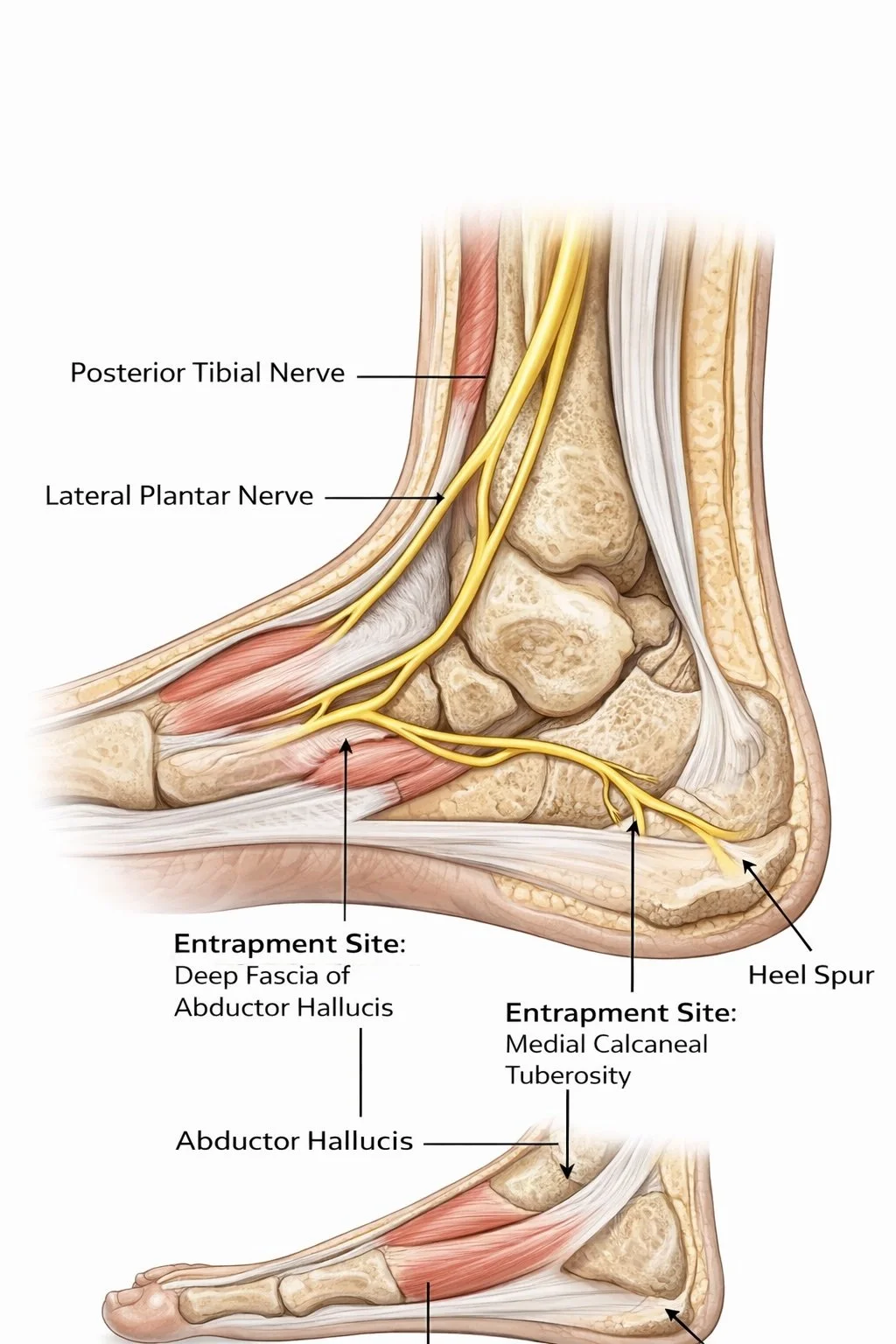
Most cases of heel pain are quickly labelled plantar fasciitis, but that diagnosis doesn’t always tell the full story.
Research suggests that Baxter’s nerve entrapment—compression of the inferior calcaneal nerve—may account for up to 20% of chronic heel pain cases. Because the symptoms overlap with plantar fasciitis, this nerve condition is frequently overlooked.
Understanding how gait mechanics and medial heel loading influence the tissues surrounding Baxter’s nerve can help explain why some heel pain persists despite traditional treatments.
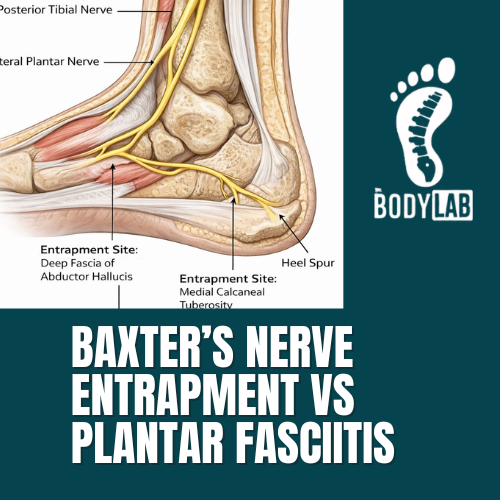
Most cases of heel pain are quickly labelled plantar fasciitis, but that diagnosis doesn’t always tell the full story.In fact, research suggests that up to 20% of chronic heel pain cases may involve compression of Baxter’s nerve, a small branch of the lateral plantar nerve that runs along the inside of the heel. Because the symptoms overlap, Baxter’s nerve entrapment is frequently mistaken for plantar fasciitis.While plantar fasciitis involves irritation of the plantar fascia, Baxter’s neuropathy is a nerve compression problem, which means the symptoms, mechanics and treatment considerations can be quite different.
Understanding the difference is important. Treatments designed for plantar fascia inflammation may not help nerve-related heel pain—and in some cases may even aggravate the underlying problem.
In this article we explore the key anatomical and biomechanical differences between these two conditions and explain why a deeper look at foot mechanics and gait can be crucial when heel pain persists.