Concussion Therapy in Canberra: holistic natural recovery with integrative medicine
Concussion therapy in Canberra is evolving, and at The Body Lab, we’re leading the way with a unique, integrated approach that goes beyond traditional methods. If you've experienced a concussion—or you're supporting someone who has—you might have been told to rest and wait it out. But what happens when symptoms linger for weeks or months? What if rest isn’t enough?
In this article, we’ll explore the latest evidence on post-concussion care, the limitations of conventional approaches, and how cranial therapy and acupuncture are changing the game in Canberra concussion treatment
What Is a Concussion?
A concussion is a type of mild traumatic brain injury (mTBI) caused by a bump, blow, or jolt to the head—or even to the body—that causes the brain to move rapidly back and forth inside the skull. This sudden movement can cause chemical changes in the brain and sometimes damage brain cells.
Common symptoms include:
Headaches
Dizziness
Nausea
Fatigue
Difficulty concentrating
Irritability or mood changes
Sensitivity to light or noise
These symptoms typically resolve within 2–4 weeks, but for many people, they can persist much longer.
Standard Concussion Treatment in Canberra
Most people with a concussion in Canberra will see their GP or be referred to a physiotherapist. Standard care usually includes:
Initial rest (24–48 hours)
Gradual return to activity
Symptom monitoring
Vestibular or cervical physical therapy for ongoing dizziness or neck pain
But here’s the problem:
After a diagnosis, many patients are left without a clear treatment plan. They’re told to rest, avoid screens, and wait for symptoms to go away. While some physiotherapists can help with neck and balance rehab, very few treatments in Canberra focus on the cranial system itself—the very part of the body affected by a head knock.
A New Option: Holistic Concussion Therapy at The Body Lab
At The Body Lab, we take a unique approach that combines cranial therapy and acupuncture to treat the root of the problem—not just the symptoms.
Cranial Therapy in Canberra
Cranial therapy (also known as craniosacral therapy) uses gentle touch to restore mobility to the bones of the skull and promote optimal cerebrospinal fluid flow. This method is particularly effective for:
Head pressure and tightness
Brain fog
Poor sleep
Nervous system overload
Acupuncture Canberra City for Concussion
Acupuncture is clinically shown to reduce:
Headaches and migraines
Anxiety and mood instability
Dizziness and fatigue
Sleep disturbances
Acupuncture also helps regulate the autonomic nervous system, reduce inflammation, and enhance the body's natural healing response.
Why This Matters: A Personal Story
As a sports trainer and strength & conditioning coach previously with Vikings Rugby and currently for Belconnen Sharks, I deal with concussions every week on the field. But my passion for concussion care goes deeper—my own child e experienced multiple concussions, and I saw firsthand how the system fell short.
We got a diagnosis, but no hands-on treatment. Physiotherapy helped some symptoms, but no one addressed the trauma to the skull itself. That’s what inspired me to create a comprehensive, cranial-based concussion recovery program in Canberra.
How Our Concussion Therapy Works
At The Body Lab, every patient receives a full assessment and an individualised treatment plan. Your care may include:
Cranial therapy to release restrictions in the skull
Acupuncture to relieve symptoms and restore balance
Movement therapy to reintegrate healthy neuromuscular patterns
Ongoing support for long-term recovery
This approach is suitable for:
Children and adolescents with school-related concussions
Athletes returning to play
Adults with post-concussion syndrome
Patients who haven’t responded to standard care
Red Flag Symptoms: When to Seek Emergency Help
Before starting therapy, always rule out serious injury. Visit your nearest emergency department if you experience:
Loss of consciousness
Seizures or convulsions
Repeated vomiting
Inability to turn the neck 45°
Numbness or tingling in the arms or legs
Loss of bowel/bladder control
These could indicate more severe brain or spinal injury.
Ready to Try a Different Approach?
If you're in Canberra and looking for a concussion treatment that’s natural, hands-on, and personalised, The Body Lab is here to help. With our integrated cranial and acupuncture therapy, we’re offering something no one else in Canberra currently provides.
📍 Located in Canberra City, serving Ainslie, Braddon, Dickson, and the Inner North.
🗓 Book your initial assessment today and take the first step toward real recovery.
Related Pages:
👉 Acupuncture for Concussion Therapy in Canberra 👉 Cranial Therapy for Concussion in Canberra
Struggling with foot pain in Canberra? Learn when arch support actually helps, when it doesn’t, and why foot function matters more than arch shape.
Back pain is ridiculously common in Canberra — but that doesn’t mean you should put up with it. In this guide, we break down the real causes of back pain, when you actually need a scan, who to see, and why movement (not bed rest) is your secret weapon. Clear, evidence-based, and written with zero fear-mongering — just the facts, a little sass, and practical steps to start feeling better today.
“Neutral spine” isn’t stiff posture — it’s your spine’s stress-free, pain-free position. This blog explains what it is, how to find yours, and why it changes everything from walking to lifting. With clear demos, simple cues, and a link to our Core Reset: Spinal Mobility Program, you’ll learn how to move better, breathe better, and feel better.
Can you really fix years of bad posture? Yes — absolutely. Your body is adaptable at any age, and with the right movement strategy, strengthening, mobility work and expert posture assessment, long-term improvements are not only possible but surprisingly achievable. Learn how to correct rounded shoulders, forward head posture, pelvic tilt and spine stiffness, and why clients across Canberra come to The Body Lab for posture and movement therapy.
Ever wondered what actually happens during a cranial-sacral therapy session? At The Body Lab Canberra, we combine gentle CST with nerve releases and acupuncture — a unique approach you won’t find anywhere else in Canberra. Discover what a session feels like, how it helps headaches, TMJ, anxiety, concussion recovery and that “not quite right” feeling your body hasn’t been able to explain.
Induction rates in Canberra are higher than ever — but that doesn’t mean you’re out of options. This guide explores why births are being induced more often, what it means for your labour, and how acupuncture can naturally support cervical ripening, reduce stress, and help your body prepare for birth on its own timeline.
Tired of shin splints ruining your game? Discover the real causes behind shin pain and how The Body Lab helps footy, soccer, and league players move better and recover faster.
Every step you take depends on a brilliant piece of foot engineering called the Windlass Mechanism. This dynamic system—driven by your plantar fascia and big toe—lets your arch lift, your heel rise, and your body move efficiently. In this deep dive, Riccardo from The Body Lab Canberra explains how it works, what happens when it fails, and how to restore effortless motion through smarter foot mobility exercises and biomechanical insight.
Posture correction in Canberra doesn’t mean endless stretching or nagging to “sit up straight.” The Body Lab offers a biomechanics-based, movement-first approach that treats the root cause of neck and back pain through assessment, manual therapy, and posture retraining.
If bunion pain is limiting your movement, The Body Lab Canberra offers a smarter solution. Instead of relying on orthotics or surgery, Riccardo Galeotti uses biomechanics, gait retraining, and hands-on therapy to help you move freely again — from the ground up.
Podiatrist or The Body Lab Canberra? Learn how Riccardo Galeotti treats foot pain and plantar fasciitis through biomechanics and movement — not just needles or orthotics.
Knee pain isn’t just a knee problem. At The Body Lab Canberra, Riccardo Galeotti uses biomechanics, gait analysis, and tailored movement therapy to restore pain-free motion.
Curious if The Body Lab’s biomechanics workshops are right for you? Whether you’re a health professional looking to deepen your understanding of functional movement, or simply someone who wants to learn how their body really works, these hands-on workshops offer a unique approach to biomechanics — blending science, movement, and practical application from the ground up.
Protein isn’t just about muscle — it’s the chemistry behind movement, mood, and recovery.
At The Body Lab Canberra, we explore how amino acids like tryptophan, tyrosine, and glutamine fuel your brain, support your nervous system, and rebuild your body from the inside out. Learn the science, discover the best food sources, and see how protein underpins everything from stress recovery to smooth, coordinated movement.
Bunions aren’t just bumps. At The Body Lab Canberra, we treat the real cause — poor movement. Learn how exercise therapy and biomechanics can restore your feet naturally.
At The Body Lab, every treatment begins by calming your nervous system — because movement starts with safety. Through gentle nerve releases and neural mobilisation, we help your body shift from tension to flow, restoring fluid motion and connection. Discover how science backs the idea that “motion is lotion for your nerves” and why our Foundational Movement, Advanced Biomechanical, and Movement & Longevity Roadmap sessions all start with one goal: helping your nerves feel safe to move again.
Physio or The Body Lab? Compare Canberra’s movement options. Learn when to see a physiotherapist for acute injuries or Riccardo Galeotti for chronic pain and complex movement issues.
Did you know exercise changes your brain chemistry? A Tasmanian study has found that vigorous activity lowers levels of GFAP, a protein linked to dementia risk. This means that running, swimming, or any activity that gets you puffing could help keep your brain younger for longer.
Tendons love load—but only in the right amount. This guide explains how exercise prescription based on tendon strain can improve Achilles and patellar tendinopathy, with practical exercises, timelines, and tips for older adults in Canberra.
Discover how posture alignment in Canberra can be restored through mobility and core strength. Learn the latest research on diastasis recti, why mobility comes first, and how The Body Lab’s programs help you move better, reduce pain, and build lasting stability.
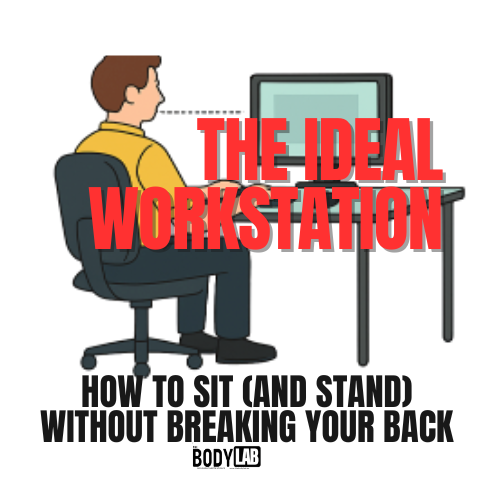
Ever feel like your desk is plotting against you? Poor workstation setups cause back pain, stiff necks, and endless discomfort. The fix? A few smart tweaks to your chair, desk, and daily habits. This guide breaks down the ideal ergonomic workstation setup—from sitting and standing desk posture to office chair ergonomics and healthy work habits. Plus, discover how our Canberra ergonomic workshops can help you fine-tune your setup and work without the aches.
If your first steps in the morning feel like walking on Lego or your arches ache after a day on your feet, we can help. At The Body Lab, we treat heel pain and foot problems with a movement-first approach that calms irritation, restores strength, and retrains how your feet move. Backed by current research—and taught by us to therapists nationwide—our programs build resilient, pain-free feet without the endless cycle of expensive orthotics.
Heel Pain Canberra: Why Movement Beats Expensive Orthotics
If your first steps in the morning feel like walking on Lego, you’re not alone. At The Body Lab, we treat heel pain with a movement-first approach that calms irritation, restores load tolerance, and keeps you off the endless orthotics treadmill. Backed by the latest research—and taught by us to therapists across Australia—our plan builds resilient feet that move better, not weaker.
Struggling with neck tension, back pain, or feeling like a human question mark? At The Body Lab Canberra, we specialise in posture and alignment. Discover how simple cues and evidence-based movement therapy can reset your stance, improve breathing, reduce pain, and keep you moving with ease.
Going on a walking holiday? Don’t let poor foot mechanics ruin your trip. Discover how to walk smarter (not harder) with these practical tips and a simple 4-week plan to get your feet travel-ready—no orthotics required.
A Sydney-based practitioner shares their experience at Riccardo’s Mastering Foot Mechanics workshop—an engaging, practical, and foot-nerdy day of learning that delivered real results with minimal reps.
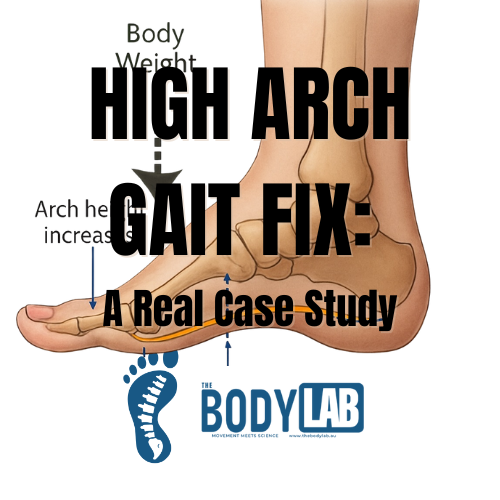
Foot pain, poor balance, or stiff hips? It could be your arches. In this case study, we dive into Debbie’s journey from rigid feet and painful walking to feeling grounded and mobile—without relying on orthotics.
The Windlass Mechanism isn’t just a fancy term—it’s the foot’s built-in suspension system. This deep-dive explores the plantar fascia’s role during walking, how toe extension lifts the arch, and why failure of this mechanism leads to pain and dysfunction. We unpack passive, reverse, and active windlass mechanics and arm therapists with assessment and rehab strategies that work from the ground up—literally.
Swallowing isn’t just about food—it’s a full-body event. From the tongue and hyoid to ribcage and jaw, this blog explores how assessing your swallow can uncover muscular tension, postural compensation, and even help explain neck pain or restricted breathing. Perfect for manual therapists, movement pros, and curious humans alike, it’s time to stop ignoring your swallow and start assessing it.
Feeling stuffed up, foggy, or forever congested? This step-by-step sinus self-clearing guide gives you safe, science-backed techniques to reduce pressure, improve nasal breathing, and stop feeling like your head’s full of bricks. Includes pre-clearing tips with peppermint oil or Vicks, manual techniques for sinus release, and tips for long-term results—all from The Body Lab in Canberra.